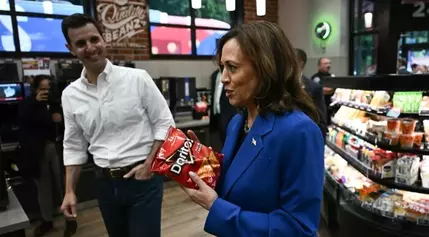
AP dragged for fawning piece on Kamala Harris’ favorite foods: ‘Garbage propaganda outlet’
2025-11-15
Kamala Harris' Culinary Charm Offensive: A Savvy Political Play or Hollow PR Stunt?
In a move that has sparked both intrigue and criticism, the Associated Press has published a detailed account of Vice President Kamala Harris' favorite foods and culinary habits, seemingly in an effort to connect her with voters on a more personal level. The article, penned by White House reporter Darlene Superville, has drawn the ire of online critics who have accused the AP of producing a "fawning" and "propaganda-like" piece.
Connecting with Voters or Crafting a Carefully Curated Image?
Kamala's Culinary Confessions: Revealing the Personal Side
The AP article delves into the vice president's self-proclaimed status as a "foodie" and her penchant for sharing personal details about her childhood, cooking, and food preferences. From her love of nacho cheese Doritos to her habit of washing collard greens in the bathtub, the piece aims to paint a more relatable and down-to-earth portrait of Harris. The underlying premise is that these small, sometimes amusing, details could help the vice president connect with voters on a more personal level and demonstrate her ability to relate to their concerns.However, the article's critics have been quick to dismiss this approach as a calculated political maneuver, accusing the AP of producing a "propaganda piece" that serves to bolster Harris' image rather than provide substantive reporting. The article's detractors argue that these personal revelations are unlikely to sway voters on their own and that the AP's coverage is overly sympathetic to the vice president.
The Mainstream Media's Embrace of Harris: Bias or Balanced Reporting?
The AP's coverage of Harris is not an isolated incident, as the mainstream media has been accused of providing overwhelmingly positive coverage of the vice president since she became the de facto nominee after President Biden's endorsement. Last month, the AP itself faced criticism for suggesting that Harris is "having it both ways" as both a sitting incumbent and a change agent.This perceived bias in the media's treatment of Harris has fueled accusations of a coordinated effort to bolster her political standing and public image. Critics argue that the AP's latest article is merely the latest example of this trend, with some going so far as to liken the outlet to a "Kamala Harris staff account."
The Perils of Perception: Navigating the Delicate Balance of Relatability and Substance
The debate surrounding the AP's coverage of Harris highlights the delicate balance that political figures must strike between cultivating a relatable public persona and demonstrating substantive policy positions and leadership qualities. While the vice president's efforts to share personal details about her life and preferences may be intended to humanize her and connect with voters, the perception of these tactics as a calculated PR move can undermine their effectiveness.Moreover, the criticism leveled at the AP suggests that the public is increasingly wary of media outlets that are perceived to be overly sympathetic to or uncritical of political figures, regardless of their party affiliation. In an era of heightened political polarization and mistrust in the media, the challenge for outlets like the AP is to navigate this landscape with a commitment to balanced, fact-based reporting that serves the public interest rather than the interests of any particular political agenda.
The Enduring Importance of Substance over Style
Ultimately, the debate surrounding the AP's coverage of Kamala Harris' culinary preferences highlights the ongoing tension between the desire for political figures to connect with voters on a personal level and the need for substantive policy discussions and critical analysis of their qualifications and leadership abilities.As the 2024 election cycle unfolds, it will be crucial for both the media and the electorate to maintain a focus on the issues that truly matter, rather than becoming distracted by carefully curated personal narratives or perceived biases in news coverage. Only by upholding the principles of rigorous, impartial journalism and demanding meaningful engagement with the pressing challenges facing the nation can the public make informed and thoughtful decisions at the ballot box.